Most Popular Woods Used in Fine Woodworking | Prop & Pine
The Most Popular Woods Used in Fine Woodworking: A Guide to Choosing the Right Hardwood
When it comes to fine woodworking, few decisions are more important than the selection of the wood itself. The species chosen for a handcrafted serving tray, charcuterie board, cutting board, piece of furniture, or custom gift will ultimately determine its appearance, durability, character, and longevity. While modern manufacturing has introduced countless synthetic alternatives, premium hardwoods remain the gold standard for craftsmen and discerning buyers alike. Their natural beauty, strength, and ability to age gracefully make them the preferred choice for heirloom-quality pieces that can be enjoyed for generations.
At Prop & Pine, we believe that exceptional woodworking begins with exceptional materials. Every hardwood species offers unique characteristics, and understanding those differences can help customers appreciate the craftsmanship that goes into a custom piece while selecting the wood that best suits their style and intended use.
Why Hardwood Selection Matters
The wood used in a fine woodworking project is far more than a structural material. It serves as the foundation of the piece’s personality. Grain patterns, color variations, hardness, density, and natural aging characteristics all contribute to the finished product. A well-crafted hardwood piece not only performs its intended function but also tells a story through the natural characteristics that have developed over decades of growth.
Hardwoods are generally preferred over softwoods for premium woodworking because they offer greater durability, resistance to wear, and long-term stability. Many hardwoods also provide richer colors and more distinctive grain patterns, allowing craftsmen to create pieces that are both functional and visually striking.
Walnut: The Benchmark of Luxury Woodworking
Among fine woodworkers, Black Walnut is often regarded as one of the most desirable hardwoods available. Its rich chocolate-brown color, elegant grain patterns, and naturally sophisticated appearance have made it a staple of luxury woodworking for centuries.
Walnut possesses a warmth and depth that is difficult to replicate with other species. Unlike many woods that require stains to achieve darker tones, walnut develops its beautiful coloration naturally. This characteristic allows craftsmen to showcase the authentic beauty of the wood without masking its natural grain.
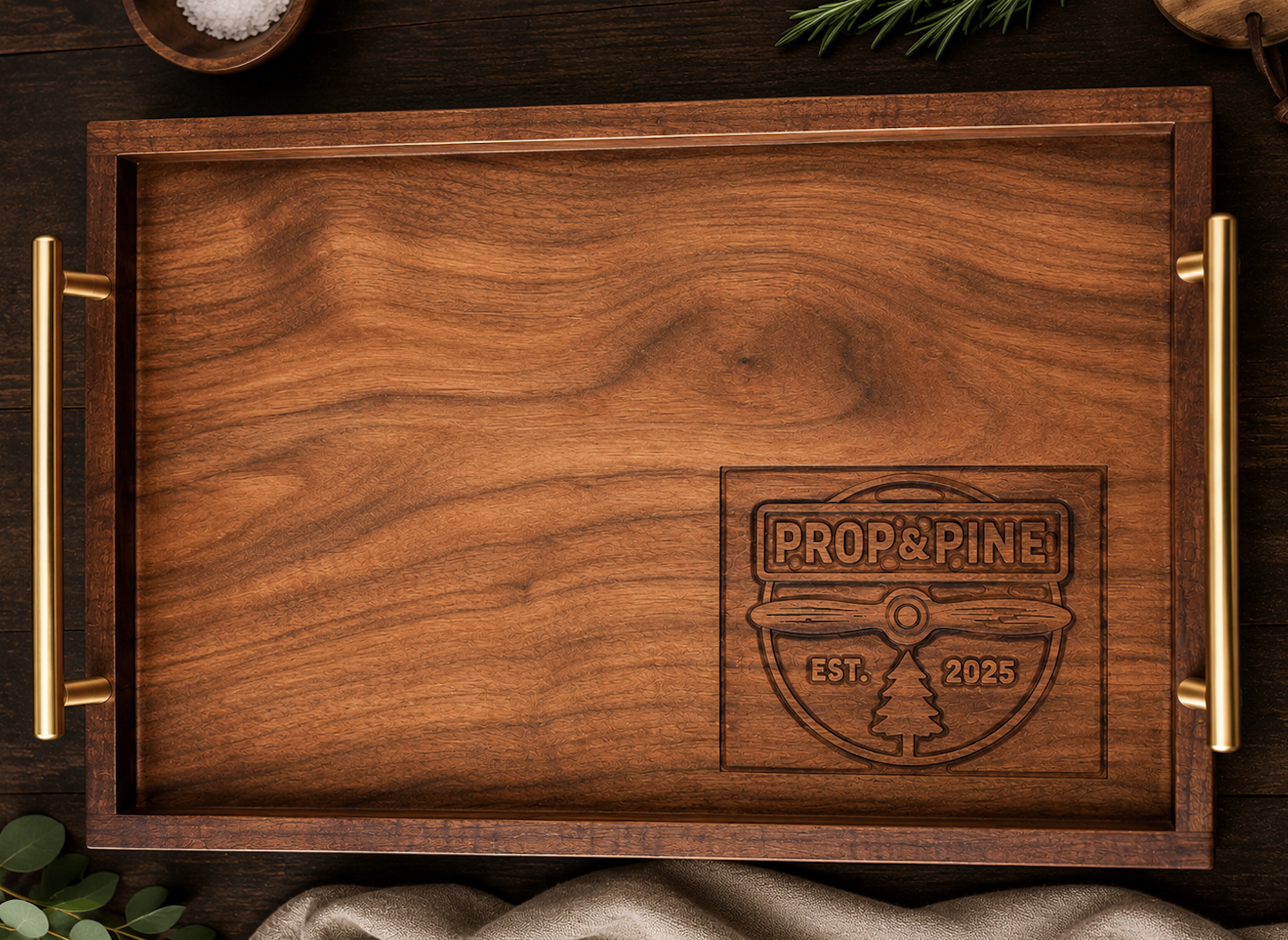
In custom charcuterie boards, serving trays, and decorative pieces, walnut creates an unmistakably upscale appearance. It complements both traditional and contemporary design styles, making it one of the most versatile hardwoods available. Walnut also machines exceptionally well, making it an excellent choice for intricate engravings, inlays, and personalized details that transform a functional item into a meaningful keepsake.
Maple: Strength, Durability, and Timeless Simplicity
Hard Maple has long been considered one of the most practical and durable hardwoods used in woodworking. Its light color, smooth texture, and exceptional hardness have made it a favorite for everything from butcher blocks and cutting boards to furniture and cabinetry.
One of maple's greatest strengths is its ability to withstand daily use while maintaining its appearance. The wood's tight grain structure contributes to its durability and helps create a smooth, refined finish. This is one reason maple is commonly used in high-end cutting boards and culinary applications.
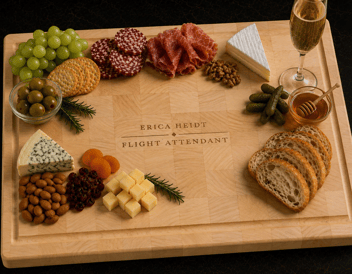
Beyond its functional benefits, maple offers a clean and contemporary aesthetic. Its bright appearance provides excellent contrast when paired with darker species such as walnut, creating the dramatic visual effects often found in premium woodworking designs. The combination of maple and walnut remains one of the most popular choices for handcrafted serving pieces due to the striking contrast between the two woods.
White Oak: Traditional Craftsmanship Meets Modern Design
White Oak has experienced a resurgence in popularity over the past decade, particularly within luxury furniture and architectural design. Known for its distinctive grain patterns and impressive strength, white oak offers a balance of durability and visual appeal that few species can match.
One of the defining characteristics of white oak is its natural resistance to moisture. This quality has historically made it a preferred material for shipbuilding, barrels, and high-end furniture. Today, woodworkers continue to value white oak for projects that require both beauty and resilience.
The grain pattern of white oak tends to be more pronounced than that of maple, creating visual movement and character throughout the finished piece. Its neutral coloration also allows it to complement a wide variety of interior design styles, from rustic farmhouse aesthetics to sleek modern environments.
Cherry: A Wood That Improves with Age
Few hardwoods are as admired for their aging characteristics as Cherry. Freshly milled cherry typically displays a light reddish-brown tone, but over time it gradually darkens and develops a rich, warm patina that many woodworkers consider one of the most beautiful transformations in the natural world.
This aging process is part of what makes cherry so desirable. Rather than deteriorating with age, cherry becomes more visually appealing as the years pass. The wood develops depth and character that cannot be replicated through artificial finishing techniques.
Cherry is frequently selected for heirloom-quality furniture, decorative boxes, and custom gifts because it combines elegance with a sense of timelessness. Its smooth grain and warm coloration create an inviting appearance that feels both refined and approachable.
Mahogany: The Definition of Timeless Elegance
Mahogany has been associated with luxury craftsmanship for generations. From executive furniture and grand dining tables to custom cabinetry and decorative woodworking, mahogany has earned a reputation as one of the most prestigious hardwoods in the world.
The wood's rich reddish-brown coloring and consistent grain structure create a polished, sophisticated appearance. Mahogany is also highly stable, meaning it experiences minimal movement due to changes in humidity and temperature. This stability contributes to its popularity in fine furniture and custom woodworking projects.
For customers seeking a classic and distinguished aesthetic, mahogany remains one of the finest choices available. Its natural beauty requires little embellishment, allowing the craftsmanship of the piece to take center stage.
Purpleheart: A Unique Statement Wood
While many hardwoods are valued for subtle elegance, Purpleheart is prized for its unmistakable individuality. Known for its vibrant purple coloration, this exotic hardwood offers a level of visual distinction that few species can match.
Purpleheart is rarely used as the primary material in a project. Instead, it is often incorporated as an accent wood to create contrast, highlight design elements, or add custom inlays. When paired with walnut, maple, or mahogany, Purpleheart introduces a bold visual element that immediately captures attention.
Its unique appearance makes it a popular choice for customers seeking a one-of-a-kind piece that stands apart from traditional woodworking designs.
The Art of Combining Hardwood Species
One of the defining characteristics of premium woodworking is the thoughtful combination of multiple hardwood species within a single project. By pairing woods with contrasting colors and grain patterns, craftsmen can create visual depth and sophistication that would be impossible with a single material.
The combination of walnut and maple remains one of the most sought-after pairings due to the dramatic contrast between walnut's dark richness and maple's bright clarity. Walnut and mahogany create a more subtle and luxurious aesthetic, while the addition of Purpleheart can introduce a striking focal point.
These combinations allow custom woodworking pieces to become functional works of art. Every board, tray, or decorative item showcases the natural beauty of multiple species working together in harmony.
Choosing the Right Hardwood for Your Custom Piece
Selecting the right wood ultimately depends on personal preference, intended use, and desired aesthetic. Walnut appeals to those seeking luxury and sophistication. Maple offers unmatched durability and clean contemporary styling. White oak provides traditional craftsmanship with exceptional strength. Cherry delivers warmth and character that improve with age, while mahogany embodies timeless elegance. Purpleheart serves as a unique accent that adds individuality and visual interest.
Regardless of the species selected, the quality of the craftsmanship remains just as important as the material itself. Premium hardwoods deserve careful attention, precision construction, and thoughtful finishing techniques that allow their natural beauty to shine.
At Prop & Pine, every custom piece begins with carefully selected hardwoods chosen not only for their appearance but also for their ability to stand the test of time. Whether crafted as a personalized charcuterie board, a custom serving tray, or a meaningful gift inspired by aviation and luxury living, the finest woodworking always starts with exceptional wood. The result is more than a product—it is a handcrafted heirloom designed to be enjoyed for years to come.